
Support for children and young people
Jump to a section
Topics in this section
Children and Young People
When a child is diagnosed with a serious sight condition or a dual sensory loss, it can feel overwhelming for the whole family. It’s completely natural to have lots of questions and to want clear, supportive guidance during such an emotional time.
We’re here to help
We’ve been helping people and families overcome sensory loss challenges since 1922 – providing practical support, expert services and trusted advice when it matters most.
Habilitation Specialists
Habilitation Specialists (sometimes called Mobility Officers) are trained professionals who assess the needs of children and young people and create personalised training programmes for them. They teach children who are blind or partially sighted the concepts and independent life skills that sighted children naturally pick up by watching and copying others.
Because children with significant vision impairment learn differently, they may miss out on some early developmental milestones. To give them the same opportunities as their sighted or hearing peers, these skills need to be taught in ways that make sense and feel meaningful to them.
Learning skills in different ways
When children are young, they need to build an understanding of their own bodies and the space around them. For example, a sighted child learns to crawl because they can see something they want to reach. They watch others stand and walk, and they copy by pulling themselves up on furniture.
When a toy drops, they gradually learn where it has gone. These early experiences help them understand how the world works and what different words mean.
Children without sight can learn all of these concepts too — they just need to be taught in different, tailored ways.
Developing these foundation skills is especially important for children who have additional challenges, such as multi‑sensory impairment (deafblindness) or other complex needs.
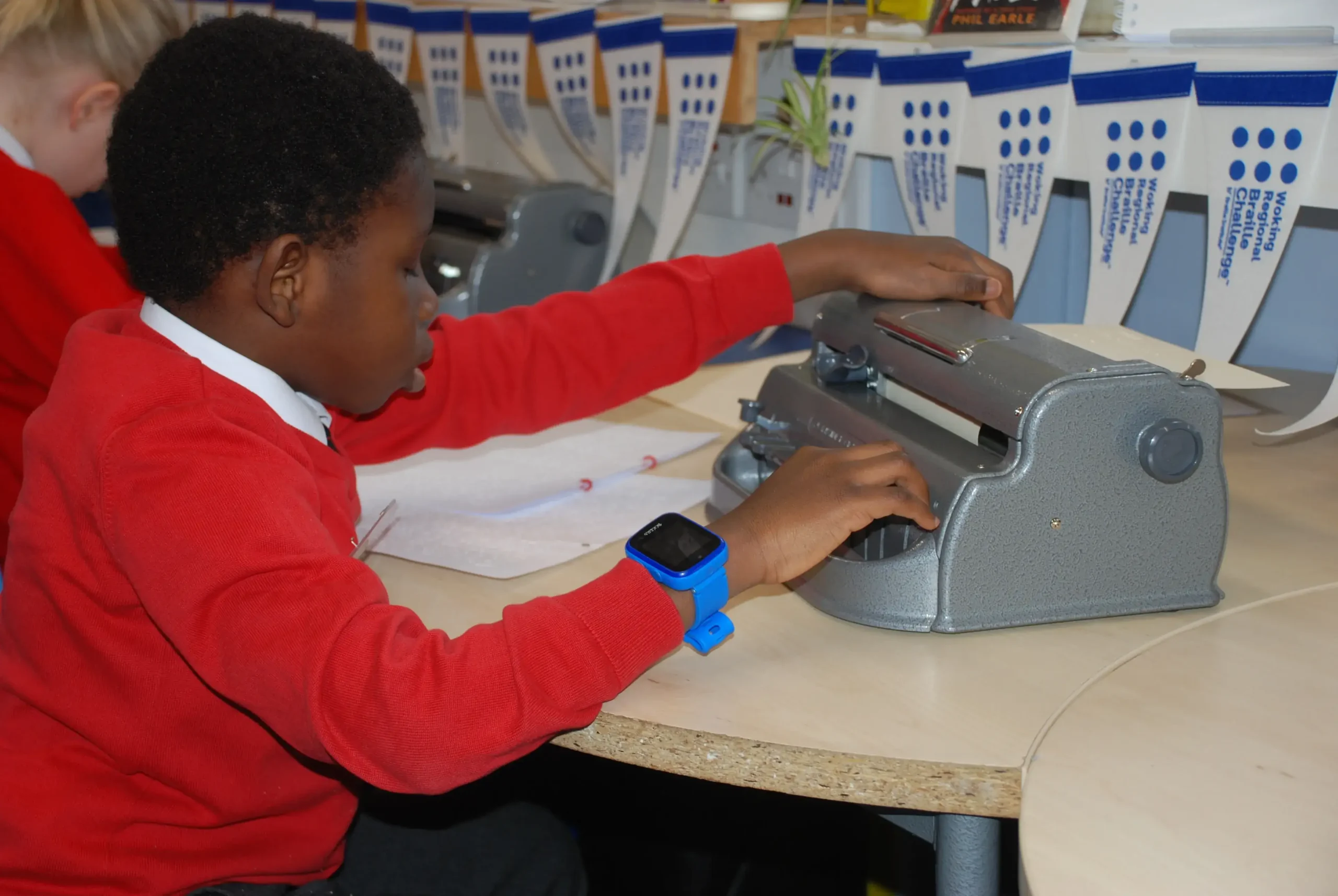
Supporting parents and carers
Habilitation skills are most effective when they begin early. A Habilitation Specialist can guide parents and carers with practical strategies and teaching techniques. As a child grows, their training becomes more advanced, and the Habilitation Specialist will often take a more hands‑on role.
Lessons may include:
- long cane training
- road‑crossing skills
- travelling on public transport
- cooking
- managing money
- shopping
- asking for and refusing help
- staying safe in different environments
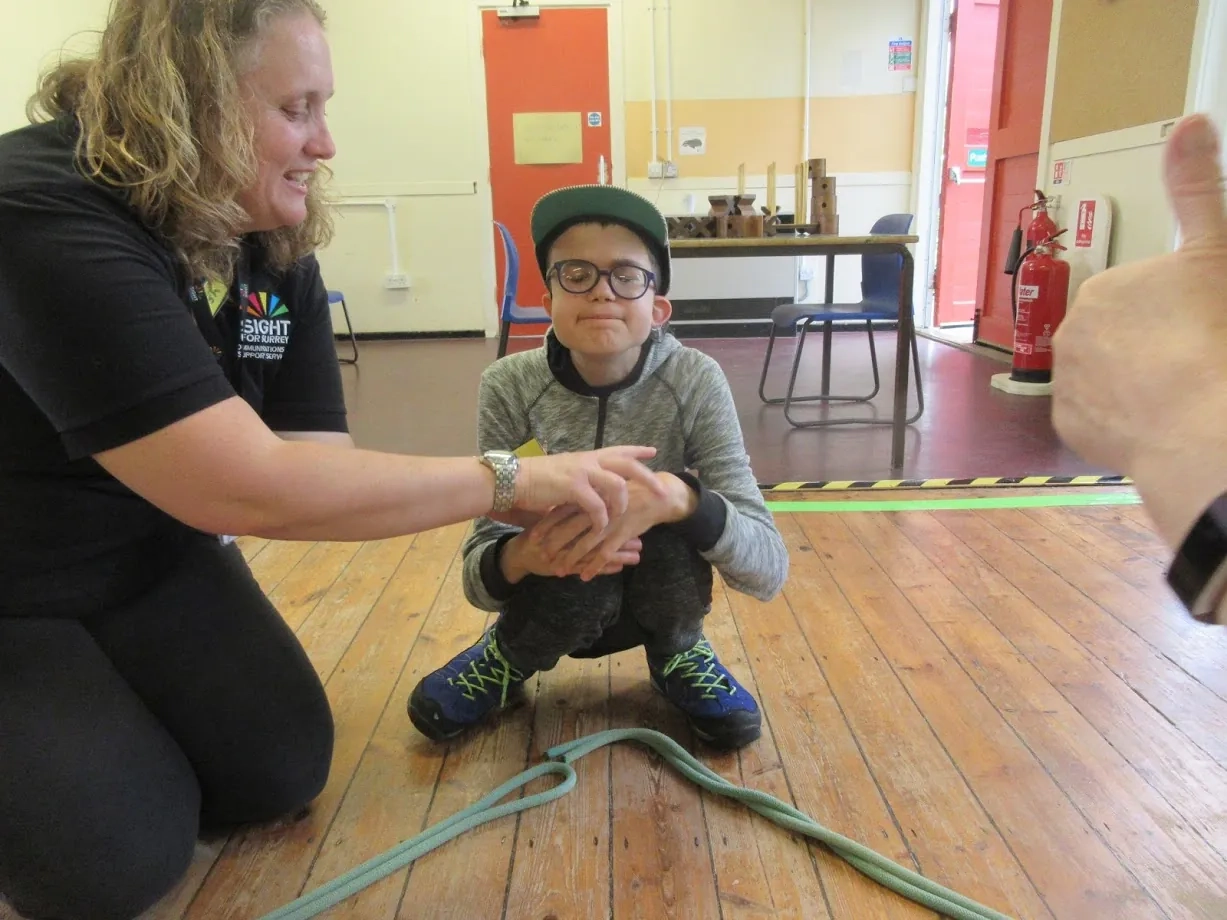
Keeping children and young people safe
Risk management is an important part of habilitation, helping to keep each child or young person as safe as possible during activities. We work closely with parents to make sure they feel confident and comfortable with the programme. Habilitation Specialists also provide regular updates on progress.
Each child or young person’s programme is reviewed regularly, and the Habilitation Specialist contributes to annual reviews and planning meetings when needed.
If you’d like to learn more about our services, please get in touch by emailing cypsadmin@sightforsurrey.org.uk or completing a referral form below.
Registration as a Vision Impaired Child
There are two levels of registration for children with a vision impairment:
- Severely Sight Impaired (SSI) / Blind (B)
- Sight Impaired (SI) / Partially Sighted (PS)
Registration is completely voluntary. However, if a child qualifies, being registered can make it much easier for families to access the support and services their child may need in the future.
If you’re unsure whether your child is eligible, you can ask at their next eye hospital appointment. A GP or Optician is able to make a referral for a person to be seen in the eye clinic in the first instance.
Only a Consultant Ophthalmologist can sign the Certificate of Visual Impairment (CVI). Being registered as severely sight impaired or blind does not mean a child has no sight at all, nor does it mean they will lose all their sight in the future — it simply reflects the level of difficulty they experience.
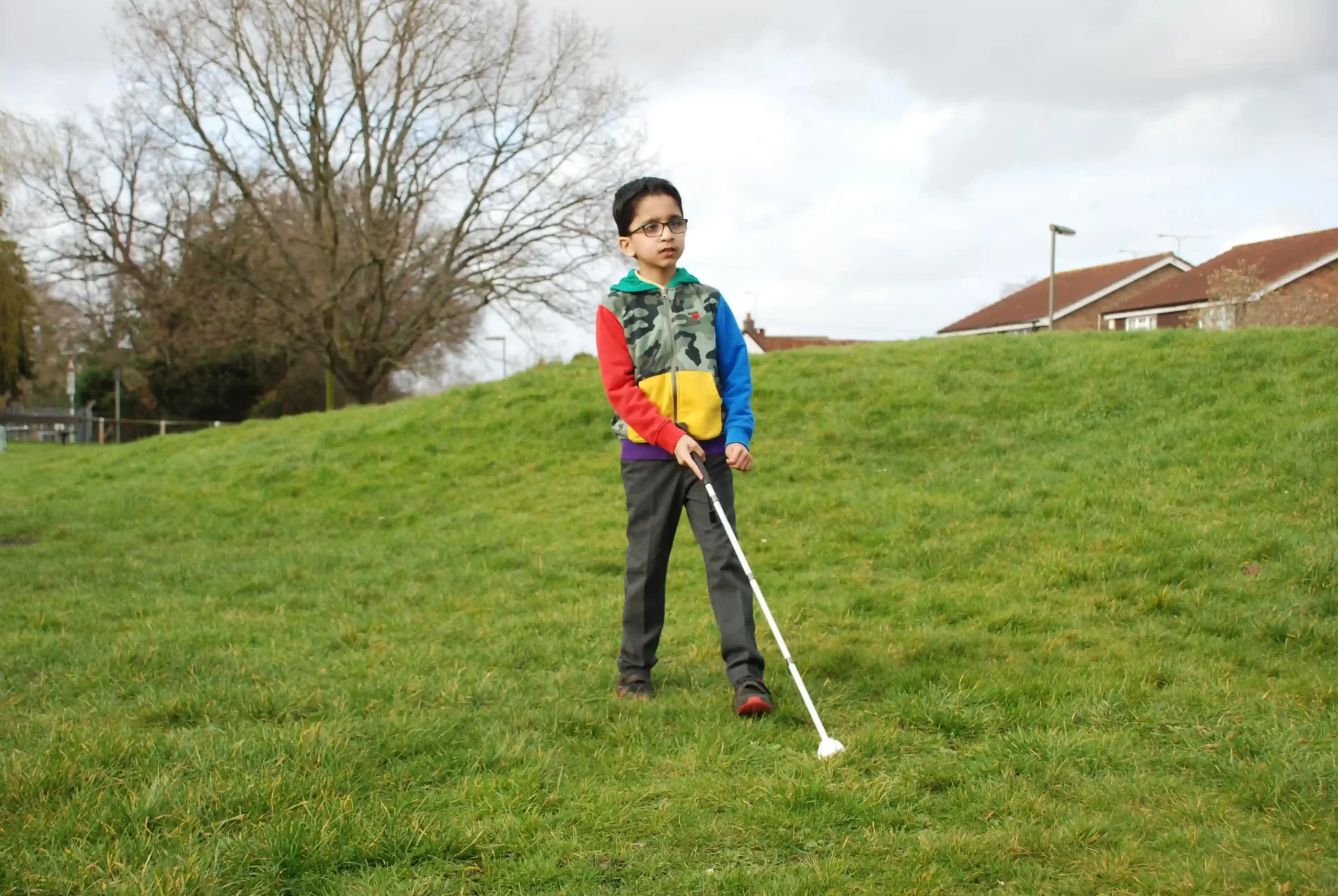
Part One: Certification as Vision Impaired
Certification is completed by the Health Service.
The Certificate of Visual Impairment (CVI) must be signed by both the Consultant Ophthalmologist and the child’s parent. One copy will be given to the parent.
If the family lives in Surrey, another copy is sent to Sensory Services by Sight for Surrey, who are contracted by Surrey County Council to complete registrations and maintain the register on their behalf. Copies are also sent to the child’s GP and added to their hospital record.
Part Two: Registration as Vision Impaired
For Surrey residents, registration is completed by Sensory Services by Sight for Surrey.
Once we receive the CVI, we will contact the child’s parents to ask permission to add their child’s name to the register. Registration can make it easier to claim benefits and access a range of support services. We will talk through these options with parents during the registration process.
If you have any questions or concerns about registration, please do get in touch with us by emailing cypsadmin@sightforsurrey.org.uk — we’re here to help.
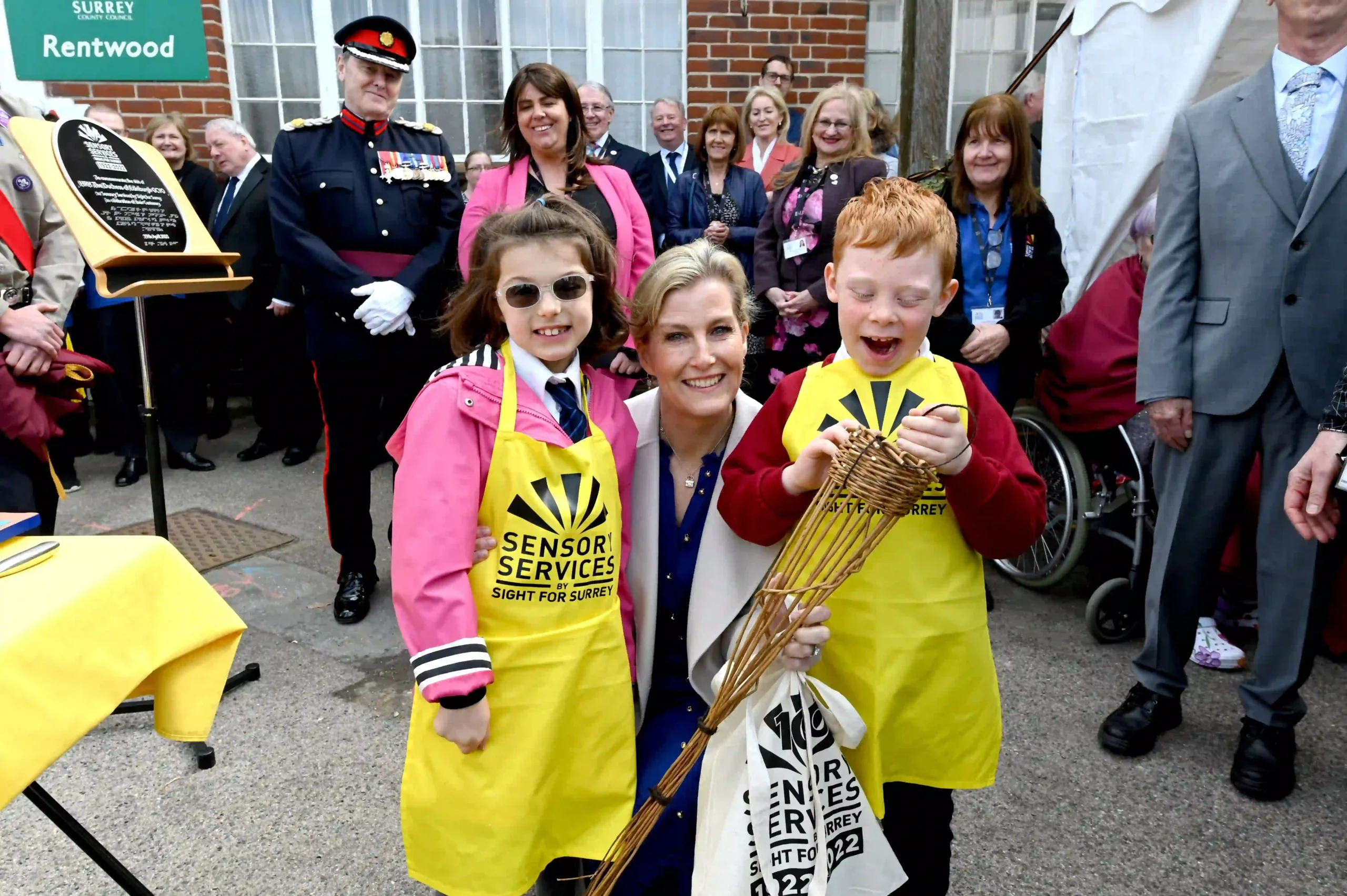
Benefits of Registration for Children in Surrey
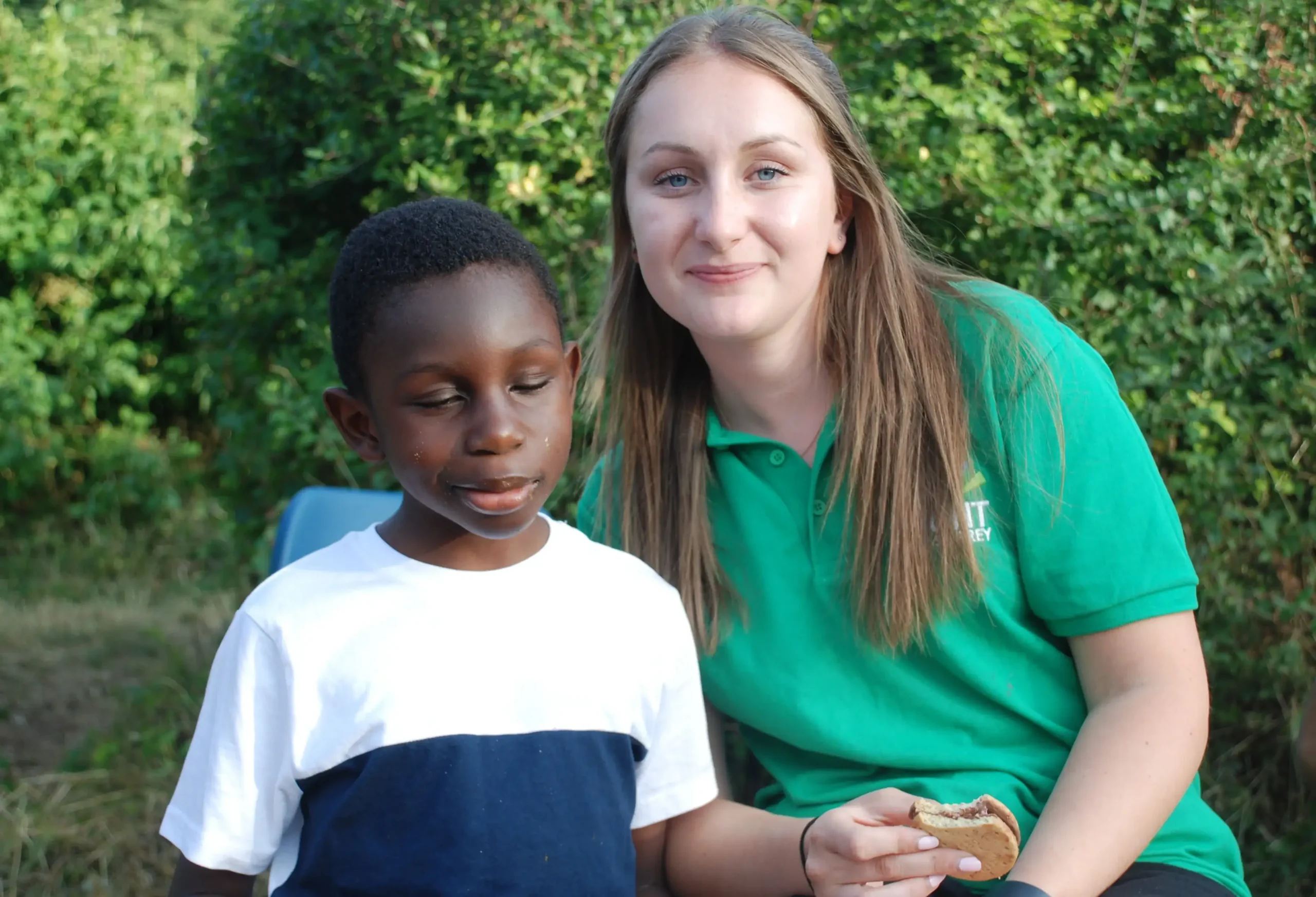
Children who are registered as Severely Sight Impaired / Blind or Sight Impaired / Partially Sighted may be eligible for a range of benefits and concessions, including:
- Blue Disabled Car Parking Badge
- Reduced TV licence cost
- Disabled Persons Railcard
- Bus Permit
- Leisure concessions
- Low vision aids
Registration can also make it easier for children and young people to have their educational needs met — for example, receiving extra time in exams, having work provided in accessible formats, accessing specialist equipment, or receiving additional support.
If you’d like help or more information, we’re always happy to talk please get in contact with us by emailing cypsadmin@sightforsurrey.org.uk
Family Support
Our Family Support Coordinator liaises with families needing advice and support for their child or young person. At the moment this support focuses on those with a vision impairment or multi-sensory impairment. We aim to broaden our knowledge and advice to support Deaf and hard of hearing children and young people.
Our aim is to give guidance and support at times of change and stress, enabling and empowering parents and carers to meet their children’s needs.
Additionally, we run support groups on a regular basis for our parents to meet without children where we can offer invaluable information and a chance to meet with other parents.
Recreation
Our Children & Young People’s Recreation Programme offers a wide range of fun, engaging opportunities designed to suit the different interests, ages, abilities and needs of the children, young people and families we support.
If you’d like more information about any of the groups below, the Children and Young person’s service (CYPS) Team would be very happy to help.
Please note: Before attending any of our activities, we ask families to complete a consent and information form. This gives us the details we need for insurance purposes. If you’d like to know more, simply email: cypsrec@sightforsurrey.org.uk
Family Events
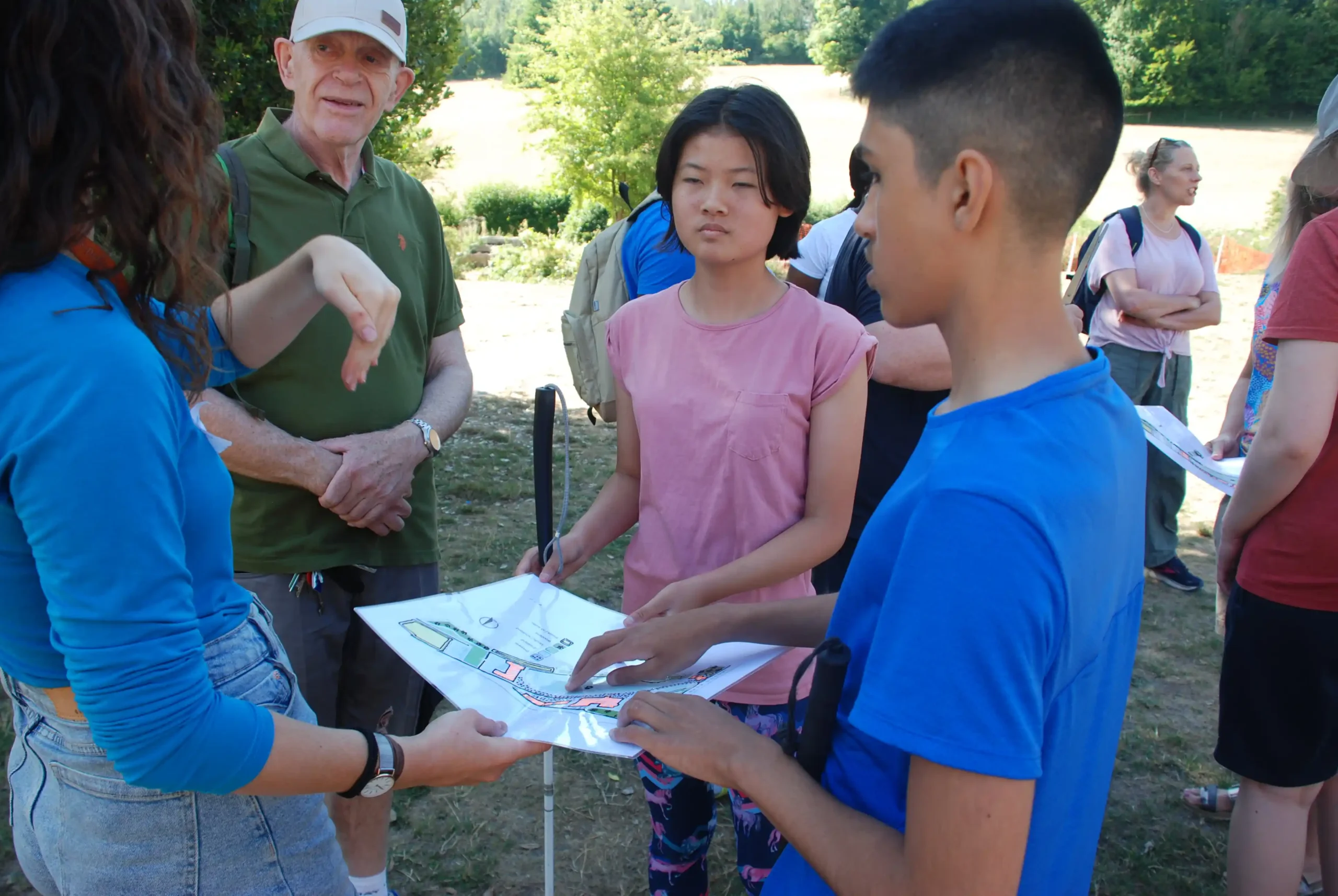
Our Recreation Activity Workers plan a variety of enjoyable experiences that help children with a vision or multi‑sensory impairment explore and understand the world around them. These events also give children the chance to meet others with similar experiences, helping to reduce feelings of isolation and offering opportunities to make new friends.
Family involvement is at the heart of these activities — parents remain responsible for their children, and siblings are warmly welcomed.
If your family would like to attend an event but you have any worries or concerns, please get in touch. We may be able to help you.
11UP Activities & Events
Our 11UP group is open to young people from school year 7 up to age 18. Young people can attend without parents or carers if they are able to manage their personal care and toileting needs independently.
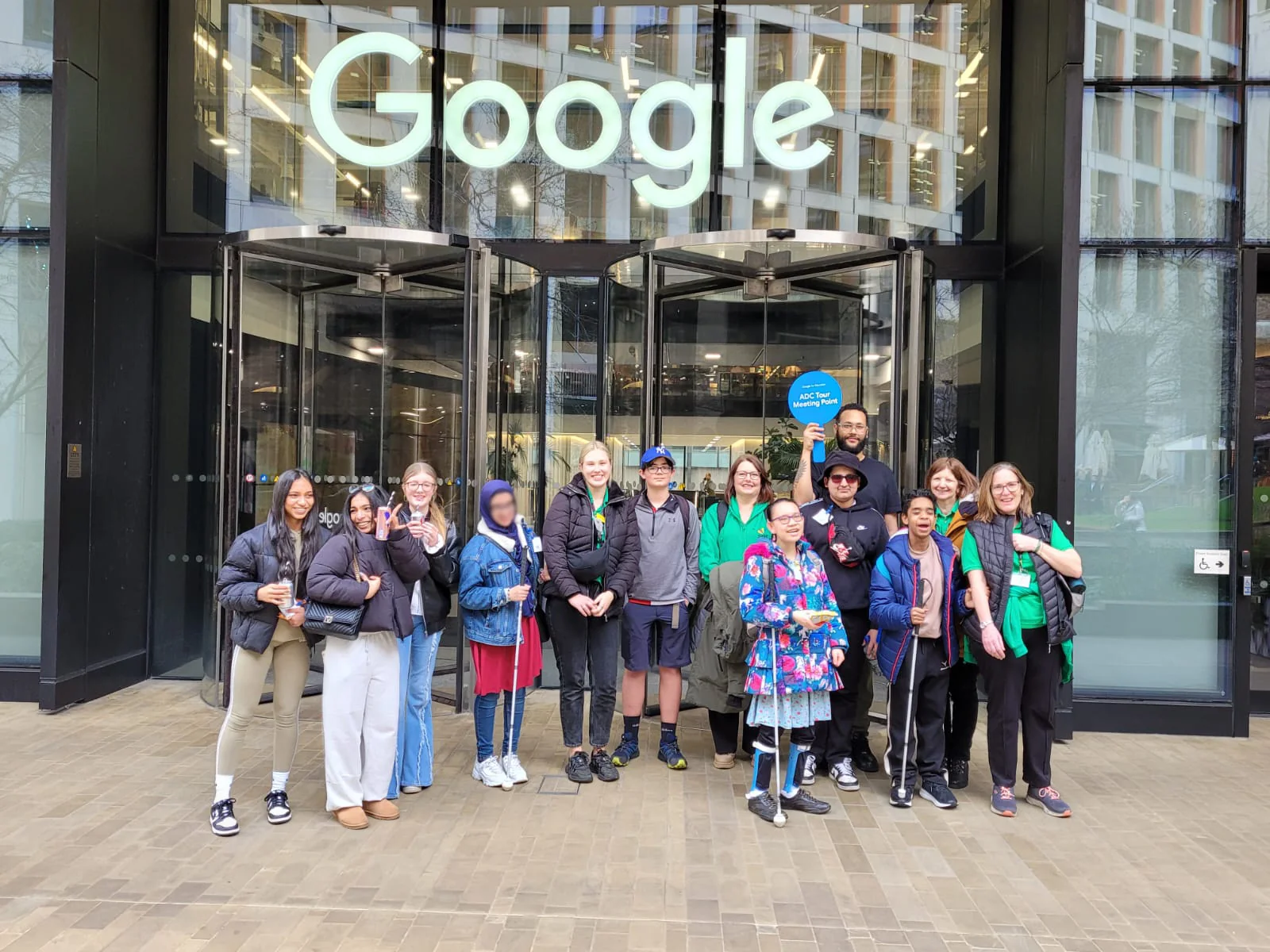
We provide a high adult‑to‑young‑person ratio at all 11UP events to ensure everyone receives the support they need. The group takes part in a range of adventurous activities, all designed to build confidence, develop independent life skills and, of course, have plenty of fun.
Young Ambassadors
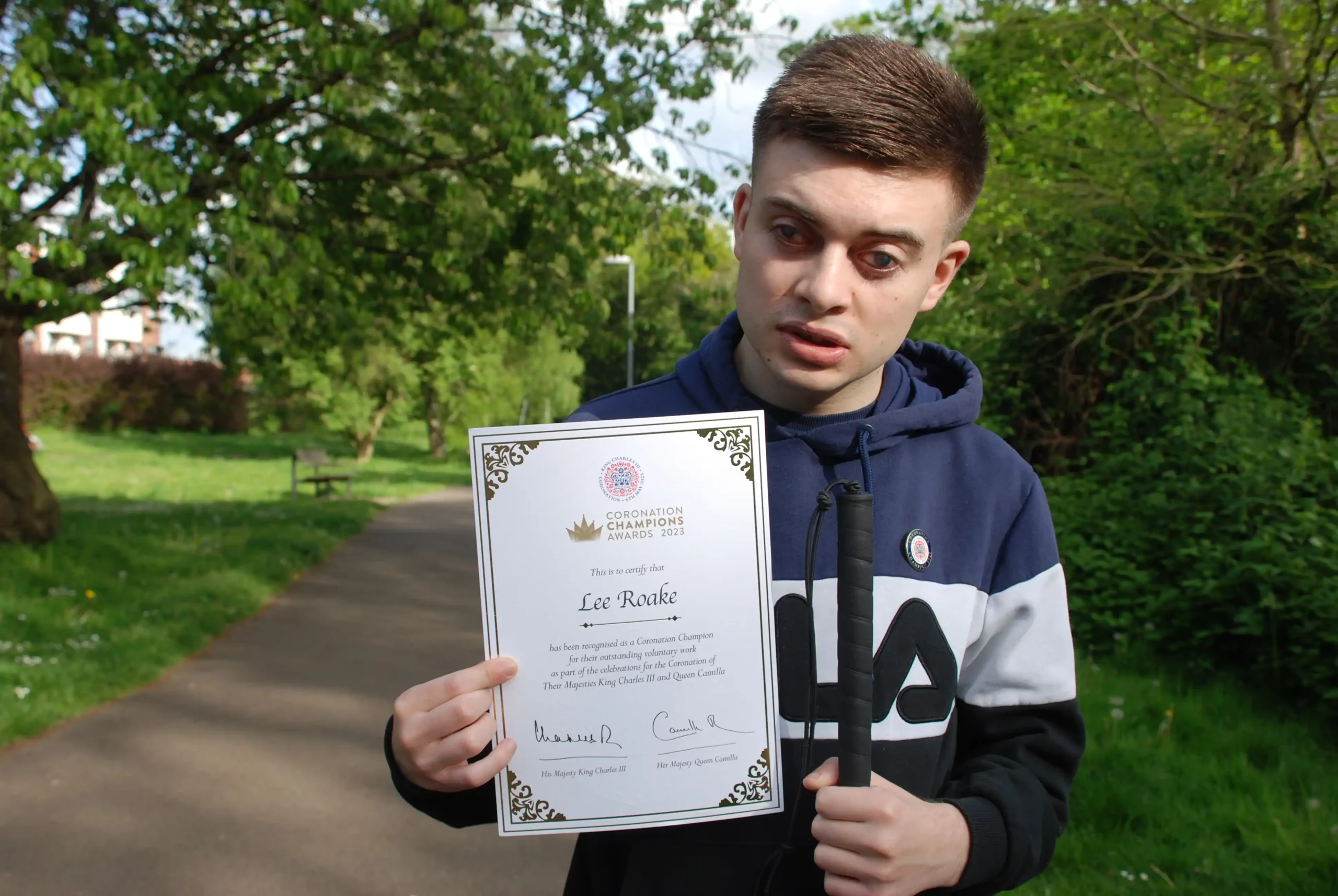
Our Young Ambassadors are selected from the 11UP group. They represent Sensory Services by Sight for Surrey at events and talks, helping to raise awareness of their needs and those of the wider VI community.
They share their experiences of living with a vision impairment and explain how communities can make small changes to support greater independence. Many have written articles, contributed to blogs, spoken in schools and even appeared on the radio.
VI Young Adult Group
Our Young Adult Group is for 18 to 25‑year‑olds with a vision impairment or multi‑sensory impairment. The focus is on having fun, socialising and taking part in a variety of activities in a relaxed, supportive environment.
If you’d like to find out more about any of these groups, the CYPS Team would love to hear from you.
Counselling
The charity has a counselling service, available to both parents and young people who feel they would benefit from additional emotional support and the opportunity to explore issues that are causing them anxiety or concern. If you would like to contact us regarding either of these services, please complete a referral form.