
Information and advice
Jump to a section
Topics in this section
Advice, Information and Benefits
Sensory Services by Sight for Surrey offers a friendly and comprehensive Benefits Service to everyone we support. Our small, dedicated team works closely with a wide range of organisations and charities, both locally and nationally, to make sure you’re aware of all the financial support available to you — including Personal Independence Payment, Universal Credit, Pension Credit, Carer’s Allowance and Housing Benefit. This joined‑up approach has helped many people access the support they need each year.
If you’d like more information or want to chat with someone from the team, please get in touch using one of the contact options.
Registration as a Vision Impaired Adult
What is the national register?
There is a national register of people with vision impairment who live in Surrey. Sensory Services by Sight for Surrey maintains this register on behalf of Surrey County Council.
How does it work?
The register is divided into two categories: people who are sight impaired (SI) (previously known as partially sighted) and those who are severely sight impaired (SSI) (previously known as technically blind).
What is the registration process?
Registration is a two-stage process, which includes an examination by an eye specialist, followed by contact from one of Sensory Services by Sight for Surrey’s staff members, who will inform you about benefits, services and equipment available in Surrey and ask you if you wish your name to be added to the register.
Registration is voluntary and you can withdraw your name at any time.
Advantages of joining the register
There are some financial and other advantages for people who are on the register, although you do not need to be registered to receive services from Sensory Services by Sight for Surrey.
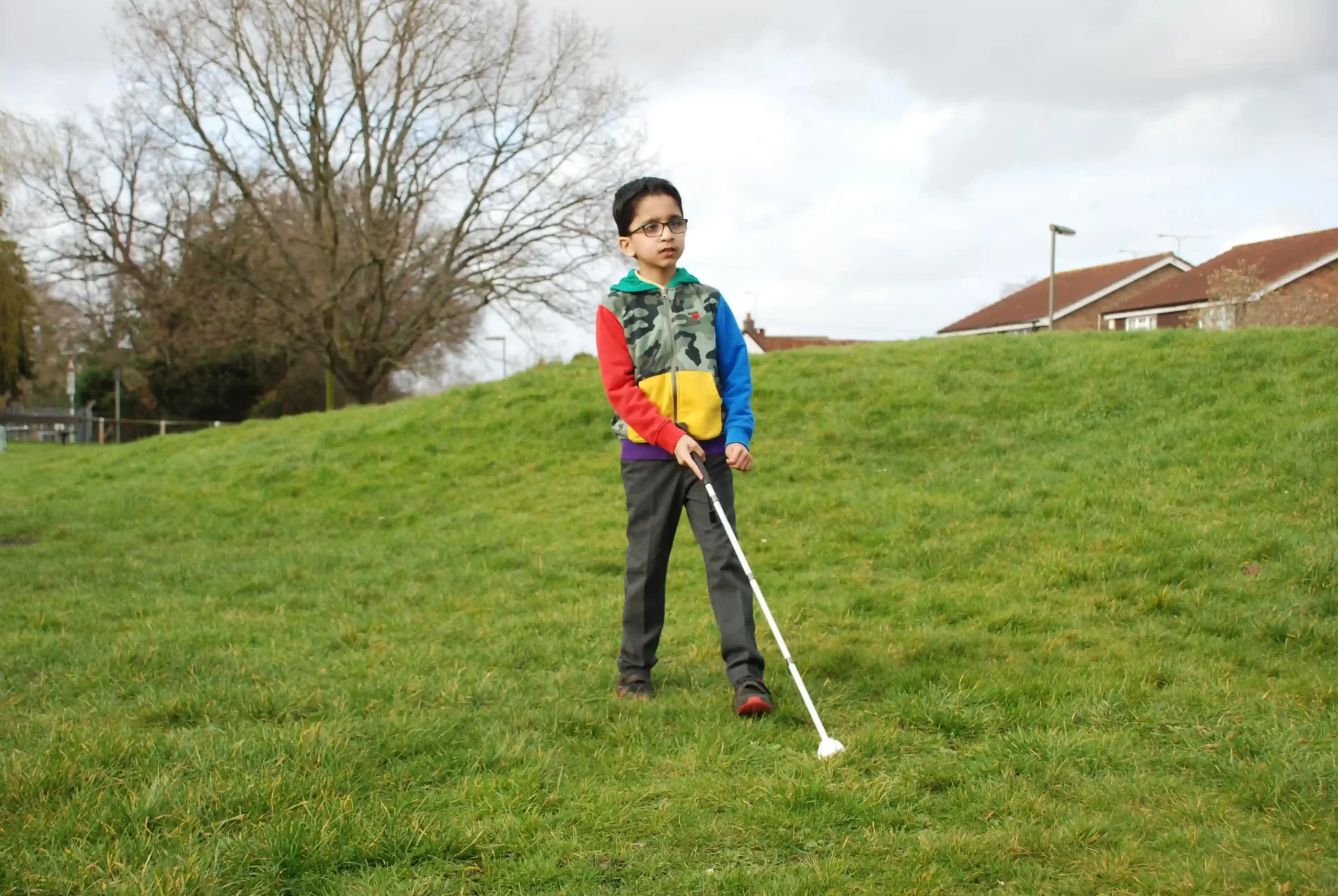
Registration as a Vision Impaired Child
There are two levels of registration for children with a vision impairment:
- Severely Sight Impaired (SSI) / Blind (B)
- Sight Impaired (SI) / Partially Sighted (PS)
Registration is completely voluntary. However, if a child qualifies, being registered can make it much easier for families to access the support and services their child may need in the future.
If you’re unsure whether your child is eligible, you can ask at their next eye hospital appointment. A GP or Optician is able to make a referral for a person to be seen in the eye clinic in the first instance.
Only a Consultant Ophthalmologist can sign the Certificate of Visual Impairment (CVI). Being registered as severely sight impaired or blind does not mean a child has no sight at all, nor does it mean they will lose all their sight in the future — it simply reflects the level of difficulty they experience.
Part One: Certification as Vision Impaired
Certification is completed by the Health Service.
The Certificate of Visual Impairment (CVI) must be signed by both the Consultant Ophthalmologist and the child’s parent. One copy will be given to the parent.
If the family lives in Surrey, another copy is sent to Sensory Services by Sight for Surrey, who are contracted by Surrey County Council to complete registrations and maintain the register on their behalf. Copies are also sent to the child’s GP and added to their hospital record.
Part Two: Registration as Vision Impaired
For Surrey residents, registration is completed by Sensory Services by Sight for Surrey.
Once we receive the CVI, we will contact the child’s parents to ask permission to add their child’s name to the register. Registration can make it easier to claim benefits and access a range of support services. We will talk through these options with parents during the registration process.
If you have any questions or concerns about registration, please do get in touch with us at Sensory Services by Sight for Surrey — we’re here to help.


Benefits of Registration for Children in Surrey
Children who are registered as Severely Sight Impaired / Blind or Sight Impaired / Partially Sighted may be eligible for a range of benefits and concessions, including:
- Blue Disabled Car Parking Badge
- Reduced TV licence cost
- Disabled Persons Railcard
- Bus Permit
- Leisure concessions
- Low vision aids
Registration can also make it easier for children and young people to have their educational needs met — for example, receiving extra time in exams, having work provided in accessible formats, accessing specialist equipment, or receiving additional support.
If you’d like help or more information, we’re always happy to talk.
Worried about your hearing?
The idea of losing your hearing can feel worrying, and it’s completely natural to feel unsure about what to do next. Recognising that something might have changed — and being open to taking action — is a really positive first step. The good news is that there’s plenty of support available to help you.
Seven signs of hearing loss
Did you know that 2 out of 3 people with hearing loss don’t realise they have it? Here are some common signs that might suggest your hearing has changed:
- Turning the TV or radio up louder than others prefer
- Finding it hard to follow conversations or asking people to repeat themselves
- Sounds seeming muffled, or struggling to hear in noisy places
- Missing phone calls or not hearing the doorbell
- Tilting or turning your head to hear better
- Feeling upset or defensive when someone mentions your hearing
- Becoming more withdrawn or avoiding social situations
If any of these feel familiar, it may be worth getting your hearing checked.
How the NHS can support you
Your GP is a great place to start:
- They’ll check whether your ears are clear
- If there’s a build‑up of wax, you may be given eardrops, offered ear syringing, or referred for wax removal at the hospital
- Once your ears are clear, your GP can refer you for further assessment
- You may be able to choose which local clinic you’d like to attend, and this appointment should usually happen within six weeks of seeing your GP
- If you’re over 60, you can often be referred straight to the Audiology department for a hearing test to see whether hearing aids might help
Private options
You may prefer to visit a private hearing aid dispenser instead. Just like the NHS, they will carry out a full hearing assessment before recommending whether hearing aids would be beneficial.